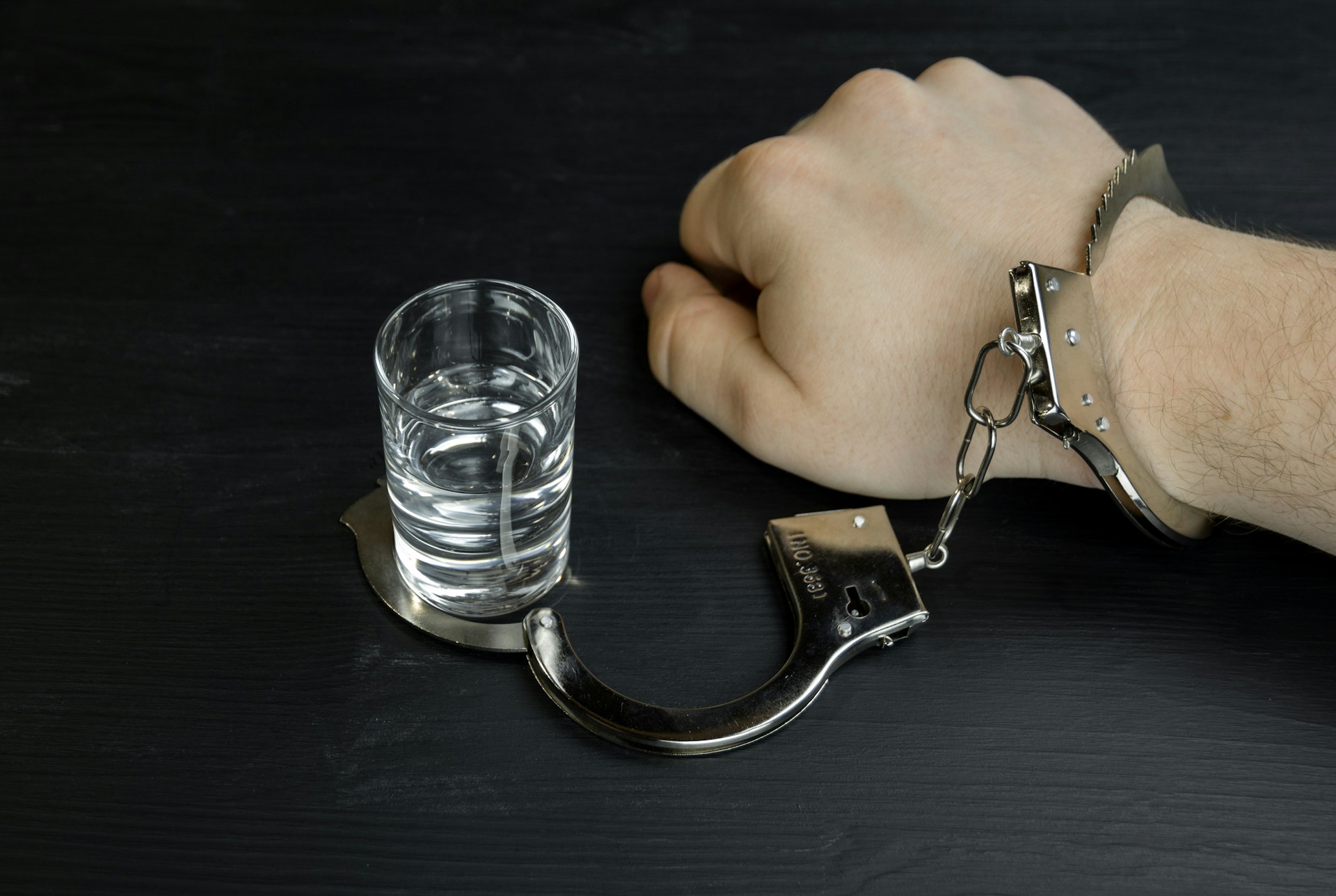
Domestic violence and substance abuse are both serious social and public health issues that often intersect in troubling and complicated ways. In the UK and globally, research consistently shows that substance use—whether alcohol, drugs, or prescription medications—can both exacerbate and mask domestic abuse. Understanding this intersection is crucial for anyone working in support services, community care, or simply looking to support a loved one through difficult circumstances.
Two Problems, One Dangerous Cycle
It is important to clarify: substance abuse does not cause domestic violence. Abuse is a choice, rooted in power and control. However, substance use can escalate the severity of abuse, reduce inhibitions, and make incidents more frequent or dangerous.
How the Two Intersect:
- Perpetrators may use substances to justify or excuse violent behaviour, blaming their actions on alcohol or drugs.
- Victims may use substances as a coping mechanism, trying to numb the emotional and physical pain of ongoing abuse.
- Substance dependency can be used as a tool of control, with abusers sabotaging recovery, controlling access to drugs or alcohol, or using a victim’s substance use against them.
- Substance abuse can make it harder to seek help, as victims may fear judgement, the removal of children, or being disbelieved by authorities.
Recognising the Signs
Spotting the overlap can be difficult, especially when both issues are shrouded in stigma. Here are some signs that both domestic violence and substance abuse may be present:
- Frequent injuries or emotional distress paired with signs of intoxication or withdrawal
- Isolation from friends, family, or support services
- Erratic behaviour, mood swings, or fear of “setting someone off”
- Financial instability related to both abuse and substance spending
- Inconsistent stories or reluctance to speak openly about home life
The Barriers to Seeking Help
Victims dealing with both domestic violence and substance misuse often fall through the cracks. Many support services are set up to address either abuse or addiction—but not both.
Common barriers include:
- Fear of judgement from professionals or loved ones
- Stigma around addiction, especially for women and parents
- Lack of integrated services that understand both dynamics
- Fear of losing children or housing if substance use is disclosed
- Shame or self-blame, which keeps individuals trapped in silence
What Support Looks Like
Supporting someone experiencing both issues requires sensitivity, non-judgemental listening, and an understanding that recovery and safety are intertwined.
Key principles include:
- Trauma-Informed Care
Recognise that addiction may stem from trauma, and that safety and healing must be prioritised without shame. - Holistic Support
Connect individuals with organisations that address both substance use and domestic abuse. In the UK, some services are beginning to adopt integrated approaches. - Safety First
Regardless of substance use, always prioritise the person’s immediate safety. If they are in danger, help them plan for emergencies and connect with domestic abuse services. - Avoid Ultimatums
Statements like “you need to stop drinking before I can help you” can isolate someone further. Be compassionate and consistent, even if progress is slow. - Empower, Don’t Control
Just as abusers use control tactics, avoid replicating that dynamic. Support survivors in making their own decisions about both their safety and recovery.
Where to Turn for Help in the UK
- Turning Point – Supports those with substance misuse and mental health issues: www.turning-point.co.uk
- Change Grow Live (CGL) – Offers drug and alcohol services alongside safeguarding support: www.changegrowlive.org
- Refuge – Specialist domestic abuse support: 0808 2000 247
- Addaction / We Are With You – Addiction support services: www.wearewithyou.org.uk
- NACOA – Support for children affected by parental alcohol use: www.nacoa.org.uk
Breaking the Silence, Building a Future
Addressing both domestic abuse and substance misuse is no easy task—it requires compassion, professional support, and time. But with the right approach, it is possible for survivors to find safety, stability, and a path to healing. We must continue to challenge the stigma, push for integrated services, and offer judgement-free support to those facing multiple layers of harm.
If you suspect someone you know is facing this complex situation, reach out, stay consistent, and encourage them to seek help when they’re ready. Your understanding could be the first step on their journey to freedom and recovery.